


In recent years, the world has been witnessing a silent revolution in the
agricultural and energy sector: agrovoltaics. This term combines two concepts
fundamental: agriculture and photovoltaics, offering a sustainable solution that
promises to change the way we farm and generate clean energy.
But what exactly is agrivoltaics and why is it gaining so much prominence?

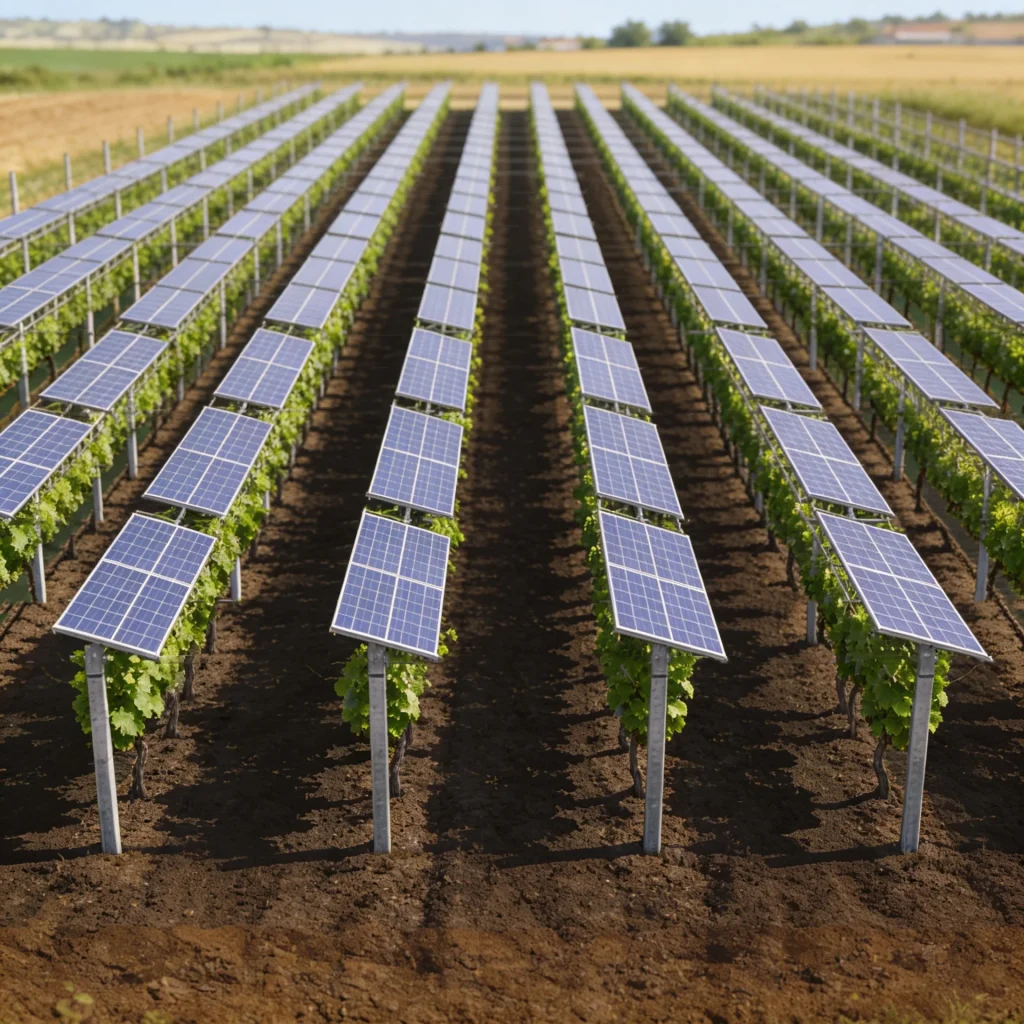
Agrovoltaics involves the combined use of the same area of land for both
for agricultural production, as the main use, such as for the production of
electricity through a photovoltaic system, as a secondary use. Unlike
Conventional photovoltaic installations, this system is designed to
coexist with crops, providing mutual benefits for both production
agricultural use and for renewable energy generation.
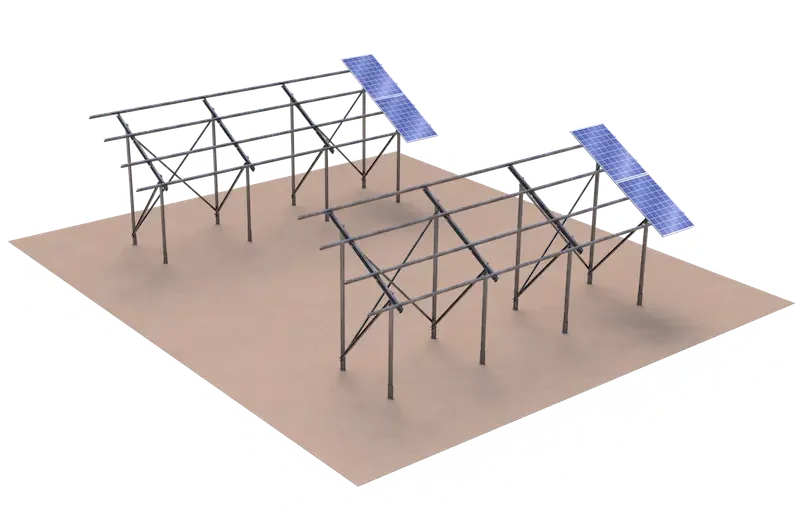
The photovoltaic modules are installed at a height and orientation that allow for
sufficient light to allow crops to grow properly.
In addition, some systems may include solar trackers that optimise the
energy capture without compromising plant photosynthesis.
This combination of agriculture and solar energy offers numerous benefits:
1. Efficient land use: Instead of competing for space, agrovoltaics
allows the same surface area to be used for both crops and livestock.
energy generation.
2. Protection against climate change: Photovoltaic modules can
act as a protective cover, reducing crop exposure to
extreme temperatures or adverse weather events.
3Improved water savings and conservation: the overall shade provided by the
modules reduce plant evapotranspiration, which
leads to a reduction in water requirements, some studies have
recorded reductions of up to 30%.
4. Greater agricultural efficiency: In some cases, it has been demonstrated that
Crops grown under modules perform better due to the partial shade provided by the modules.
reduces water stress.
5. Improved photovoltaic performance: Thanks to the cooling provided by
provided by the crops, the temperature is expected to drop by 2-3ºC, which
would improve the performance of photovoltaic modules.
6. Income diversification: Farmers can earn income
additional income through solar energy generation, creating a new
business model, which increases the economic performance of the land.


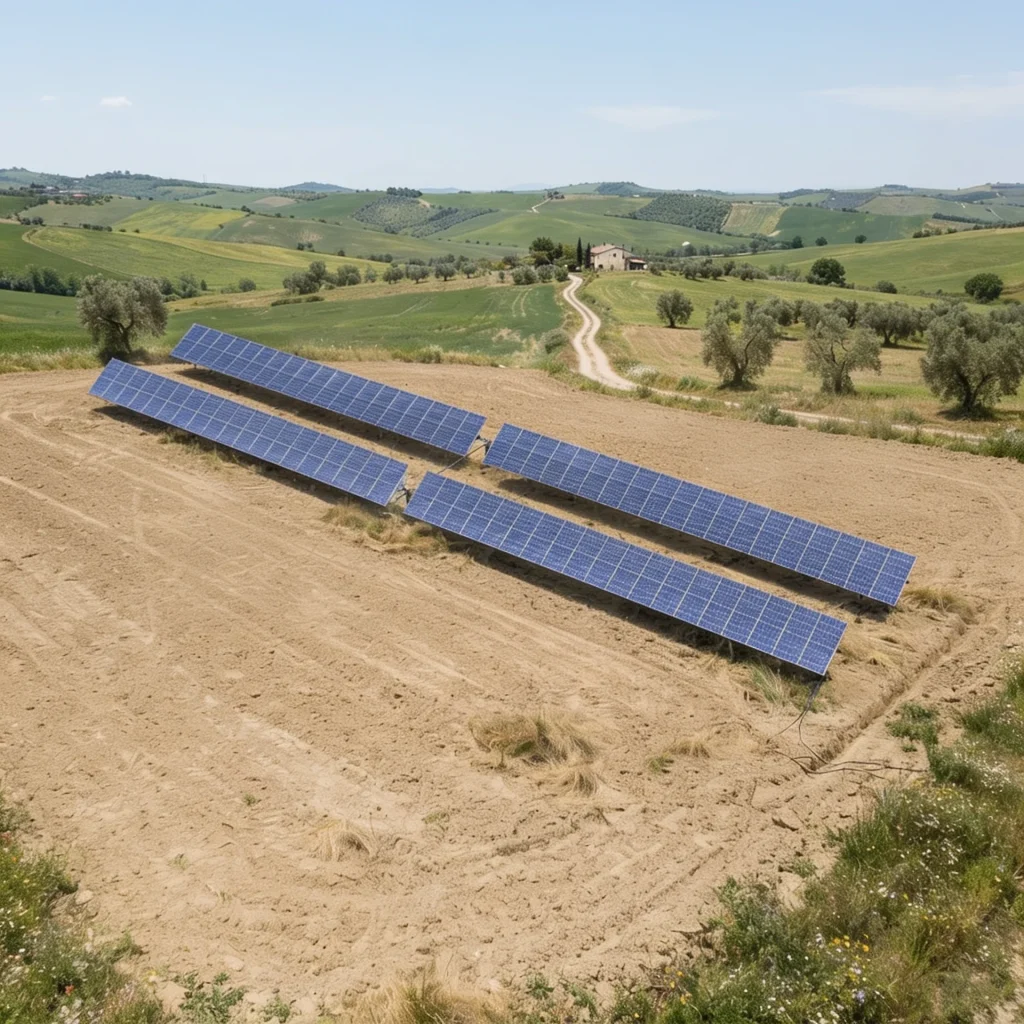
In regions such as Castile and León and Badajoz, projects have been implemented
agrovoltaic systems that combine crop fields such as cereals, olive trees and vineyards with
photovoltaic modules. In France, research is also being carried out
on how to optimise the performance of specific crops under systems
agrivoltaic.
For example, a recent project in Murcia is evaluating the effect of modules
photovoltaic panels on vegetables and aromatic plants.
In this type of project, not only are environmental and economic benefits obtained,
but also generates key knowledge for the future development of the technology.
Growing concern about sustainability and climate change has led to
many countries to seek innovative ways to optimise land use and
diversify energy sources. In this context, agrovoltaics emerges as a
ideal solution, as it not only contributes to the decarbonisation of the energy system
and reducing carbon emissions, but also allows for more
efficient use of soil, helping to strengthen food security without compromising
efficient use of land, helping to strengthen food security without compromising renewable energy production.
In countries such as Japan, Italy, Germany, and France, this technology is advancing.
rapidly, while in Spain, the potential is enormous due to the large
extensive agricultural land and high levels of solar radiation, but this does not end
to take off because we do not have a definition or regulation of the advance
of this technology.
Agrovoltaics is not just a passing trend, it is a technology that is here to stay.
to stay and evolve. Its ability to combine food production
and energy makes it a key element in tackling the challenges of climate change.
and food security. In future publications, we will explore this topic further.
details about how it works, its practical applications and its impact on
rural communities.

Agrovoltaics is not only a technological solution, but also a comprehensive model for addressing the challenges of climate change and promoting sustainable development in rural areas. Its ability to reduce emissions, conserve natural resources and improve the rural economy makes it a key tool in the fight against climate change. With adequate support in public policy and financing, its adoption can make a significant difference globally.
In future publications, we will explore the technological innovations that are driving its development and the investment opportunities for smallholder farmers.




Te informamos de que los datos que nos facilites serán tratados por METAL FRAME RENOVABLES S.L. para atender tu consulta o solicitud. La base legal es tu consentimiento. No se cederán datos a terceros, salvo obligación legal o proveedores necesarios para la prestación del servicio. Puedes ejercer tus derechos escribiendo a info@mfrenovables.com. Más información en nuestra Política de Privacidad.