

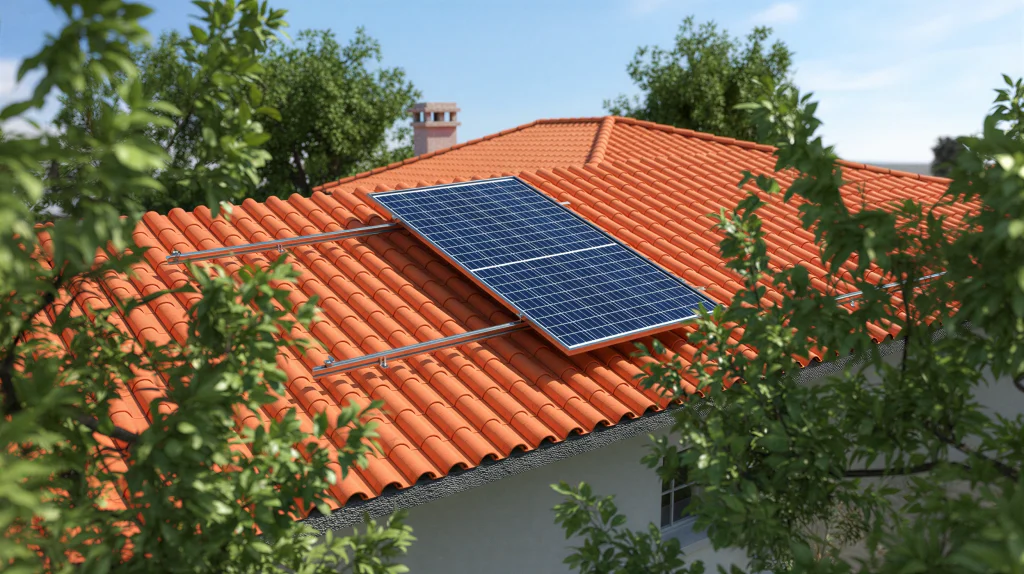

Agrovoltaics is not just a solution for generating clean energy, but a technology that brings multiple benefits to the agricultural sector and the environment. This innovative combination of photovoltaic modules and farmland is transforming the way we manage agricultural production and space utilization. In this article, we tell you about the main benefits of agrovoltaics and why it is revolutionizing the rural world.
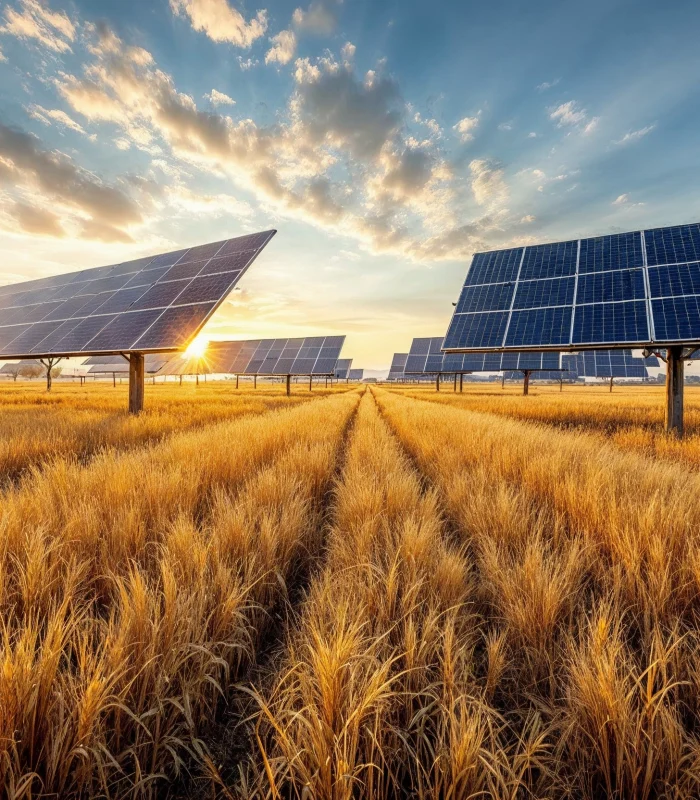
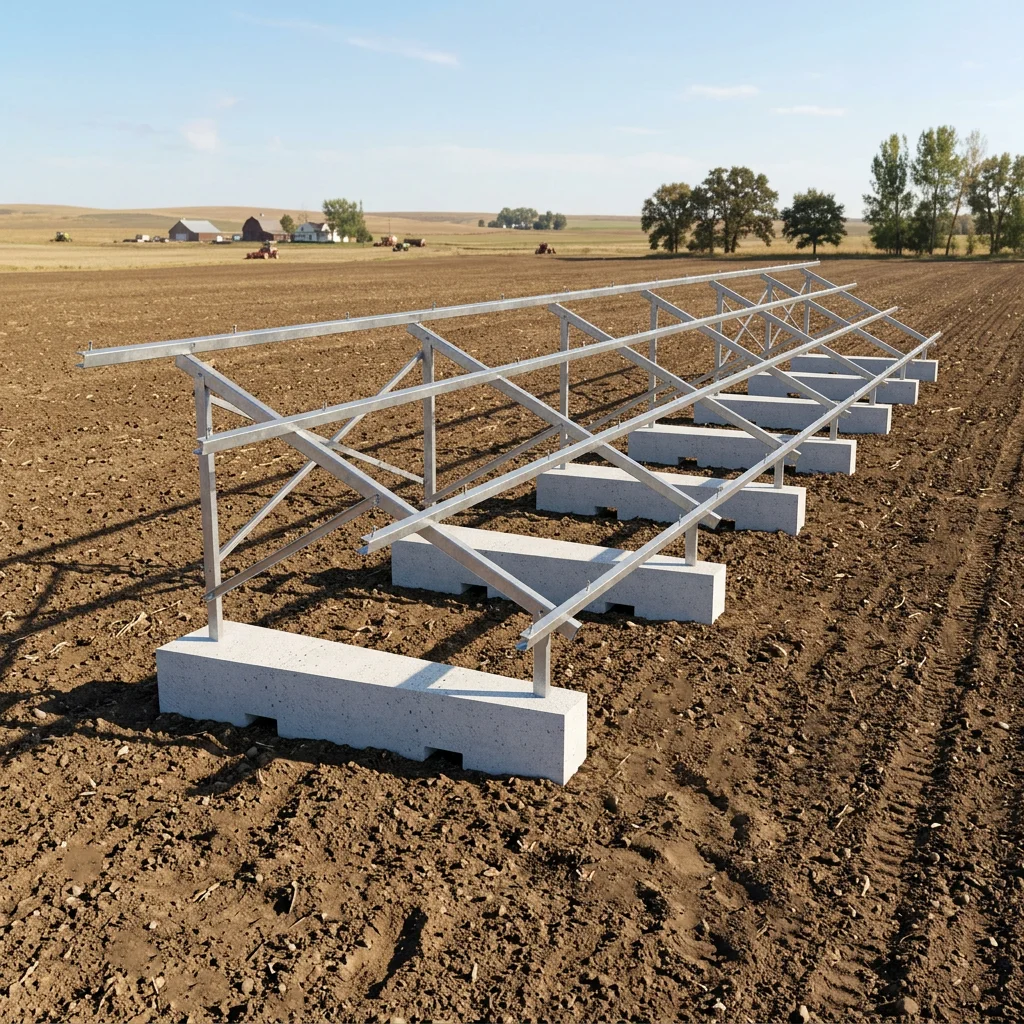
One of the most outstanding benefits of agrovoltaics is its ability to maximizing land use. Traditionally, the installation of solar farms implied the exclusive dedication of land to energy generation, potentially displacing agricultural activity. However, agrovoltaics allows both activities to coexist, which is especially valuable in regions with space limitations.
One of the most important benefits, due to climate change, is the savings in water consumption. We are currently facing increasingly hotter and drier years, which is a significant problem. Only 3% of the planet's water is suitable for human consumption and agriculture. Moreover, agriculture is both a cause and a victim of water scarcity, accounting for approximately 70% of global freshwater withdrawals.
According to an FAO report, the world population is expected to reach 9.1 billion people by 2050, resulting in a consequent increase in food production ranging from 25% to 70%. This will imply a 50% increase in global water demand by 2030.
The paper published by the German TFZ states that agrovoltaics can reduce the need for irrigation by reducing evaporation and improving soil moisture retention. According to this paper, in some cases a reduction of up to 30% in water consumption has been observed in agrovoltaic installations compared to reference plots.
Although it may seem contradictory, partial shade generated by photovoltaic modules can be beneficial for certain crops. Shade can reduce the temperature by as much as 2-3°C in summer, which reduces the thermal stress and the evaporation of water from the soil, which can lead to better plant growth.
Agrovoltaics provides farmers with an additional source of income by allowing them to generate and sell solar energy. This can be key to ensuring the economic stability of farms, especially in times of uncertainty in agricultural markets.
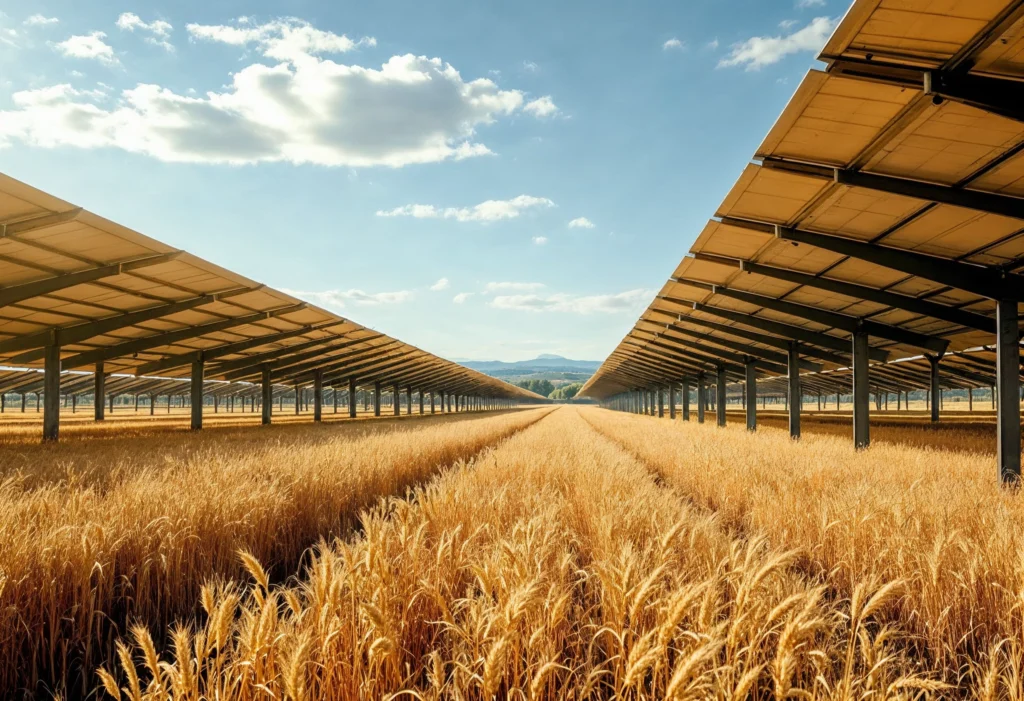

Agrovoltaics is a powerful tool for reducing the carbon footprint and contribute to the fighting climate change. By combining renewable energy production and agriculture, significant environmental benefits are generated.
Climate change is increasingly affecting agricultural systems, causing droughts, heat waves and extreme weather events. Agrovoltaic systems can help mitigate these effects and ensure greater stability in production.
The implementation of agrovoltaic projects also has a positive social impact, as it can revitalize rural communities by generating employment and improving local infrastructure.

Agrovoltaics is not only a technological solution, but also a comprehensive model for addressing the challenges of climate change and promoting sustainable development in rural areas. Its ability to reduce emissions, conserve natural resources and improve the rural economy makes it a key tool in the fight against climate change. With adequate support in public policy and financing, its adoption can make a significant difference globally.
In future publications, we will explore the technological innovations that are driving its development and the investment opportunities for smallholder farmers.
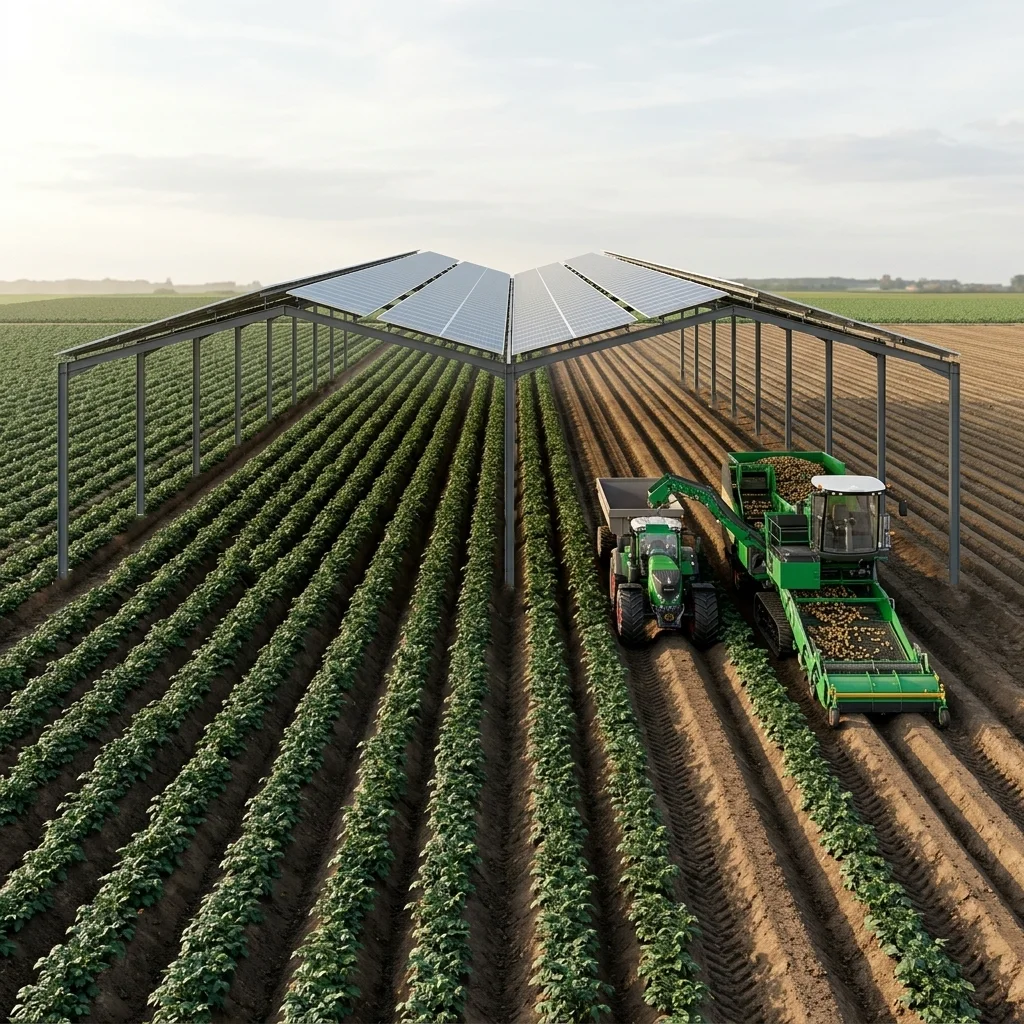


Te informamos de que los datos que nos facilites serán tratados por METAL FRAME RENOVABLES S.L. para atender tu consulta o solicitud. La base legal es tu consentimiento. No se cederán datos a terceros, salvo obligación legal o proveedores necesarios para la prestación del servicio. Puedes ejercer tus derechos escribiendo a info@mfrenovables.com. Más información en nuestra Política de Privacidad.